
When you’re considering a cantilever patio or carport for your home, safety is naturally a top concern. These striking structures, with their distinctive single-sided support and extended overhead coverage, often prompt questions about their structural integrity. The good news? When properly engineered, installed, and maintained, cantilever structures are exceptionally safe and built to withstand the demanding Australian climate.
Understanding Cantilever Design
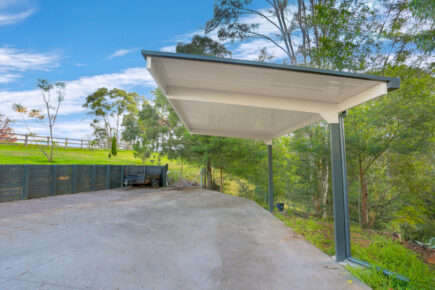
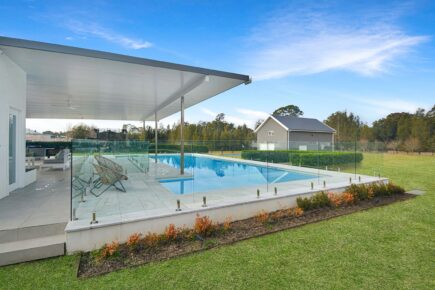
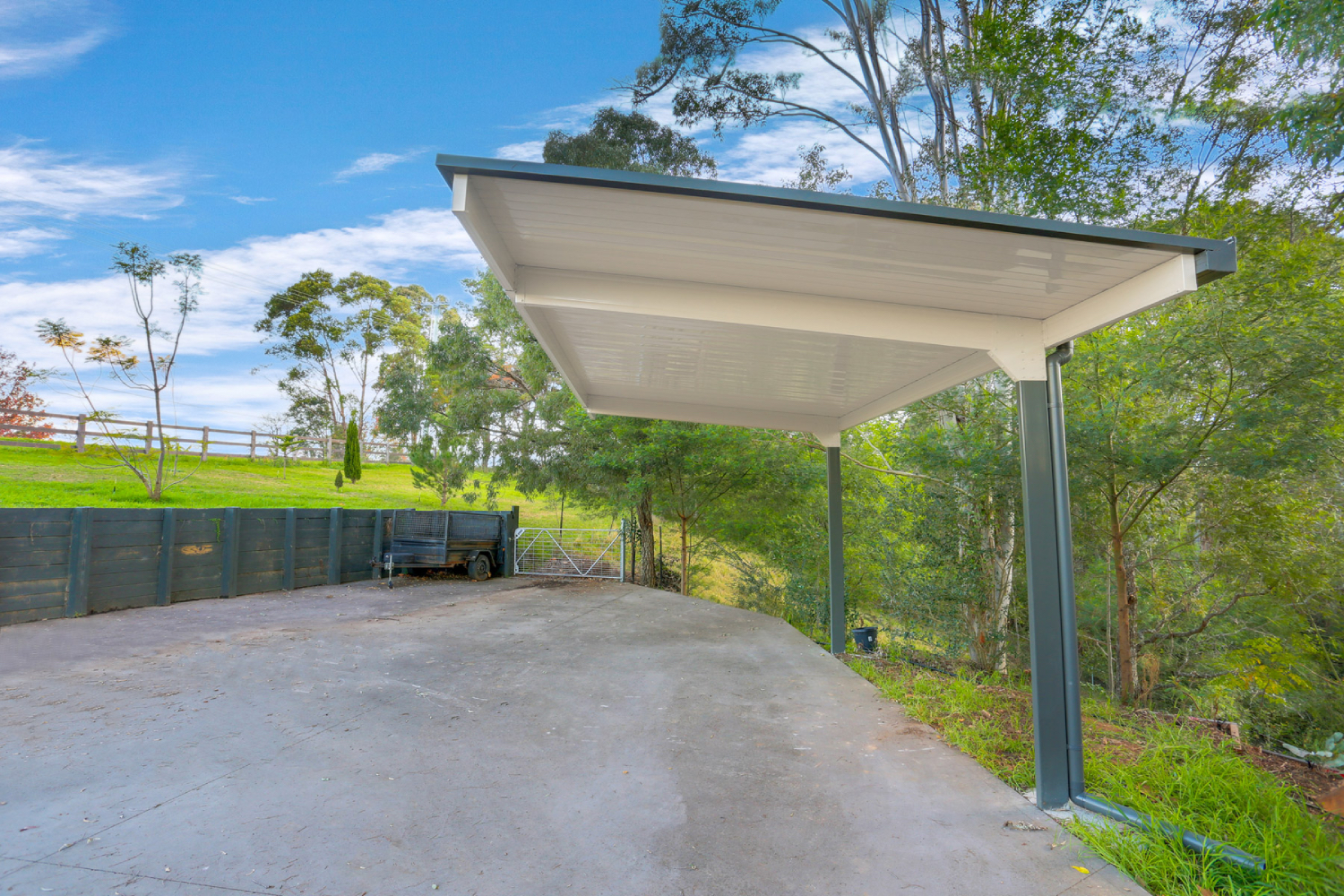
A cantilever structure features an overhead roof supported by beams or columns on only one side, creating an unobstructed open space beneath. This elegant design eliminates the need for posts on the far side, maximising usable space whilst maintaining a clean, contemporary aesthetic.
The structural principle behind cantilever design is based on balanced loads and proper weight distribution. The cantilevered beam extends beyond its support, with the rear portion (or backspan) counterbalancing the forward projection. This engineering approach has been used successfully in construction for decades, from bridges to commercial buildings, and translates beautifully to residential outdoor structures.
Engineering Standards and Certification
Safety in cantilever structures begins with proper engineering design. In Australia, these structures must comply with the National Construction Code (NCC), which sets out minimum requirements for structural safety, durability, and performance.
Professional cantilever installations are designed according to Australian Standard AS 4100, which governs the design, fabrication, and erection of steel structures. This standard ensures that all structural steel components can safely support the required loads, including:
- Permanent loads (the weight of the structure itself)
- Live loads (items placed on or under the structure)
- Wind loads (forces from wind pressure and suction)
- Snow loads (where applicable in certain regions)
When you work with reputable outdoor living specialists, your cantilever structure will include certified engineering drawings and calculations. These documents demonstrate that the design meets all relevant standards and can safely withstand the environmental conditions specific to your location.
Wind Ratings and Australian Conditions
One of the most critical safety considerations for any outdoor structure in Australia is wind resistance. Quality cantilever structures are engineered to withstand wind speeds ranging from 120 to 147 kilometres per hour, making them suitable for most Australian residential areas.
Australia is divided into wind regions (A, B, C, and D) based on cyclonic activity and typical wind speeds. Most cantilever systems are rated for wind regions A and B, which cover the majority of populated areas. Region C includes tropical cyclone areas along the northern coastline, whilst Region D represents the most extreme cyclonic regions.
Professional installers assess your property’s specific wind rating requirements based on your location, site exposure, and local topography. This ensures your cantilever structure is appropriately engineered for the conditions it will face throughout its lifetime.
Council Approval and Compliance
Understanding council approval requirements is an essential part of ensuring your cantilever structure is both safe and legal. Building regulations for carports and patios vary between states and even between local councils, but most structures require either building approval or must meet specific exempt development criteria.
In New South Wales, for example, carports are typically exempt from requiring building permits if they adhere to specific development standards, including maximum height of 3 metres above ground level and appropriate setbacks from boundaries. However, in Queensland, structures exceeding 10 square metres generally require building approval from a licensed building certifier.
Working with experienced outdoor living specialists takes the stress out of navigating these requirements. Professional teams understand local council regulations and can manage the entire approval process, ensuring your cantilever structure meets all compliance requirements from the outset.
Learn more about our professional project management approach that handles council approvals and certification from start to finish.
Material Selection and Durability
The materials used in cantilever construction directly impact both safety and longevity. Quality cantilever structures typically utilise either powder-coated aluminium or galvanised steel for the frame, with each material offering distinct advantages.
Aluminium frames are lightweight yet strong, with excellent corrosion resistance that makes them ideal for coastal environments. The powder-coating process provides additional protection against the elements whilst offering a range of colour options to complement your home’s architecture.
Steel frames offer superior strength and are particularly well-suited to areas experiencing high winds or requiring larger spans. When properly galvanised and powder-coated, steel structures resist rust and corrosion whilst maintaining their structural integrity for decades.
For roofing materials, polycarbonate panels are popular in cantilever designs due to their exceptional strength-to-weight ratio. Quality polycarbonate roofing provides impact resistance 250-300 times that of glass, offering excellent protection whilst reducing heat transfer by up to 83 per cent. Alternative roofing options include Colorbond steel and insulated panels, each offering specific benefits for different applications.
Professional Installation Makes the Difference
Whilst some smaller cantilever kits are marketed for DIY installation, professional installation is strongly recommended due to the complexity of cantilever designs and the need for precise structural calculations to ensure balance and safety.
Professional installers bring critical expertise to your project:
Foundation Work: Proper footing design and installation is essential for cantilever stability. Professional teams assess your soil conditions and install footings sized and positioned according to engineering specifications, ensuring your structure has a solid foundation.
Structural Assembly: Precision in assembling the cantilever frame is crucial. Every connection, bolt, and weld must meet engineering specifications to maintain structural integrity. Professional installers have the tools, experience, and quality control processes to ensure correct assembly.
Weather Protection: Proper installation includes attention to drainage, water runoff, and weatherproofing details that prevent water infiltration and protect the structure from premature deterioration.
Load Distribution: Understanding how loads transfer through the structure requires professional expertise. Incorrect installation can compromise the load path, creating unsafe conditions that may not become apparent until the structure is stressed by wind or other forces.
Maintenance for Long-Term Safety
Even the most well-engineered cantilever structure requires regular maintenance to ensure ongoing safety and performance. Routine inspections should be conducted at least twice yearly, with special attention to support arms, canopy, and all structural connections.
Your maintenance routine should include:
Visual Inspections: Check for signs of wear, cracks, rust, or deterioration that could compromise structural integrity. Pay particular attention to connection points, fasteners, and areas where moisture may accumulate.
Cleaning: Regular cleaning with mild soap and water prevents the accumulation of debris and substances that could cause damage over time. Keep drainage systems clear of leaves and debris to prevent water accumulation.
Protective Treatments: Apply protective coatings and treatments to prevent rust on metal components, particularly in harsh weather conditions or coastal environments. Anti-corrosive paints and sealants provide an additional layer of defence against the elements.
Professional Assessment: Consider having your cantilever structure professionally assessed every few years, particularly after severe weather events. Professional inspections can identify potential issues before they become safety concerns.
Special Considerations for Coastal Areas
If your home is located in a coastal area, additional considerations apply to cantilever structure safety. Salt-laden air accelerates corrosion of metal components, making material selection and protective treatments even more critical.
For coastal installations, specify marine-grade materials and coatings designed to withstand salt exposure. Increased maintenance frequency is recommended, with more regular inspections and cleaning to remove salt deposits before they can cause damage.
Foundation and Footing Requirements
The foundation of any cantilever structure is critical to its safety and stability. Because cantilever designs place asymmetric loads on their foundations, proper footing design requires careful engineering consideration.
Footings for cantilever structures must be sized to resist both vertical loads (the weight of the structure and anything it supports) and moment forces (the rotational force created by the cantilevered extension). Professional structural engineers calculate these forces and design footings that provide adequate resistance, typically involving deeper or larger footings on the support side compared to conventional structures.
Soil conditions also play a crucial role in footing design. Different soil types have varying bearing capacities, and proper assessment ensures footings are designed appropriately for your specific site conditions.
Red Flags to Watch For
When considering a cantilever patio or carport, certain warning signs should prompt additional scrutiny:
Lack of Engineering Certification: Any reputable cantilever installation should come with certified engineering drawings and calculations. If a provider cannot supply these documents, look elsewhere.
Unusually Low Pricing: If a quote seems significantly lower than others, question why. Corner-cutting in materials, engineering, or installation quality can compromise safety.
No Council Approval Process: Legitimate installers will either ensure your structure meets exempt development criteria or manage the council approval process. Avoiding this step creates legal and safety risks.
Limited Warranty: Quality cantilever structures should come with substantial warranties covering both materials and workmanship. Short warranty periods may indicate lower quality materials or lack of confidence in the installation.
Pressure to Skip Site Assessment: Professional installers conduct thorough site assessments before providing detailed quotes. Providers who offer quotes without visiting your property may not be considering critical site-specific factors.
The Value of Local Expertise
Working with local outdoor living specialists who understand your area’s specific conditions provides significant safety advantages. Local expertise means understanding regional wind patterns, council requirements, soil conditions, and climate factors that impact structural performance.
Established local businesses also provide accountability and ongoing support. When your installer is part of your community, they have both professional pride and business reputation invested in ensuring your structure performs safely for years to come.
Making Your Decision
Cantilever patios and carports, when properly designed, engineered, and installed, are safe, durable structures that enhance your outdoor living space whilst protecting your property investment. The key to safety lies in working with qualified professionals who prioritise engineering excellence, quality materials, and proper installation practices.
Before proceeding with any cantilever project, ensure your chosen provider can demonstrate:
- Certified engineering design appropriate to your location
- Quality materials suited to Australian conditions
- Professional installation by qualified craftspeople
- Proper council approval management
- Comprehensive warranties and ongoing support
Transform your outdoor space with confidence by choosing specialists who combine architectural excellence with unwavering commitment to safety and structural integrity.
Ready to explore cantilever options for your home? Our outdoor living specialists combine 50 years of local expertise with professional project management to ensure your cantilever structure is both beautiful and built to last. Contact us today to discuss your outdoor living vision and receive expert guidance on creating the perfect cantilever solution for your property.
At ATS Awnings, we help Australian families love life at home by creating perfect outdoor spaces through expert guidance, premium quality solutions, and family-focused service. Our comprehensive approach includes complete project care, from design consultation through council approval to professional installation, giving you peace of mind throughout your outdoor living journey.